
Perfect Bound Softcover Book Printing
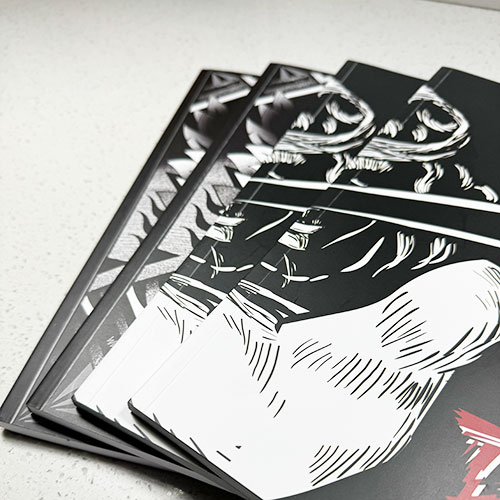
A square-spine softcover book with the familiar perfect bound paperback appearance, made with folded and Smyth-sewn signatures inside. It is stronger than glue-only binding and built for planned offset print runs.
Get a Quote
Get a Perfect Bound Softcover Quote
Get an estimate for finished softcover books with Smyth-sewn signatures, printed interior pages, a cardstock cover, and estimated ocean shipping.
Perfect Bound Softcover Estimate
This preset estimate is for a finished sewn paperback with common cover and interior specs. Use the Turbo Calculator if you need to change paper weight, cover thickness, lamination, or add-ons.
Production Line
Built Like a Softcover, Reinforced Like a Sewn Book
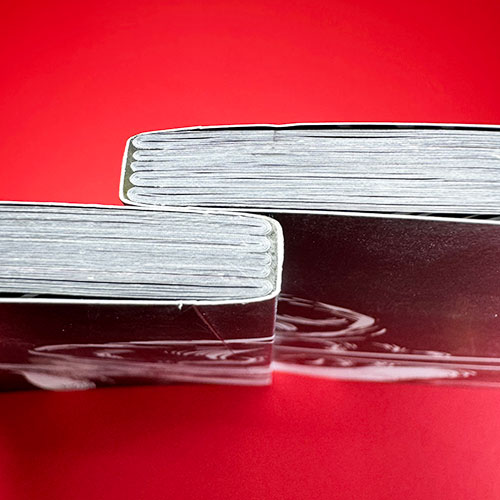
Your book still has the clean paperback shape readers expect, but the inside structure is different. We print the pages in signatures, sew them into a book block, then attach that block into the cover wrap and trim the finished book.
Offset printed on Heidelberg Speedmaster
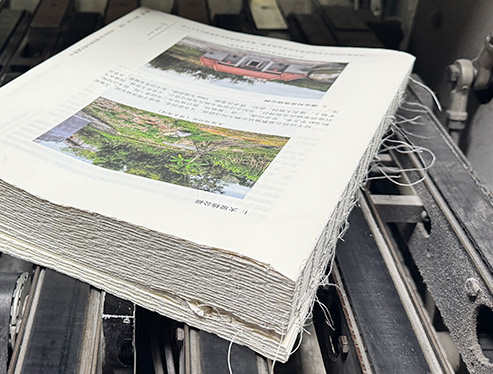
Interior pages are printed on a Heidelberg Speedmaster offset press, the same press setup we use for our flagship hardcover books. This makes the format a strong fit for comic books, company catalogs, art books, and other image-heavy projects.
Sewn into a stronger book block
Pages are folded into signatures and sewn together before the cover is applied. This gives the book more strength than standard glue-only paperback binding, especially for books readers will open often.
Wrapped and trimmed as a clean softcover
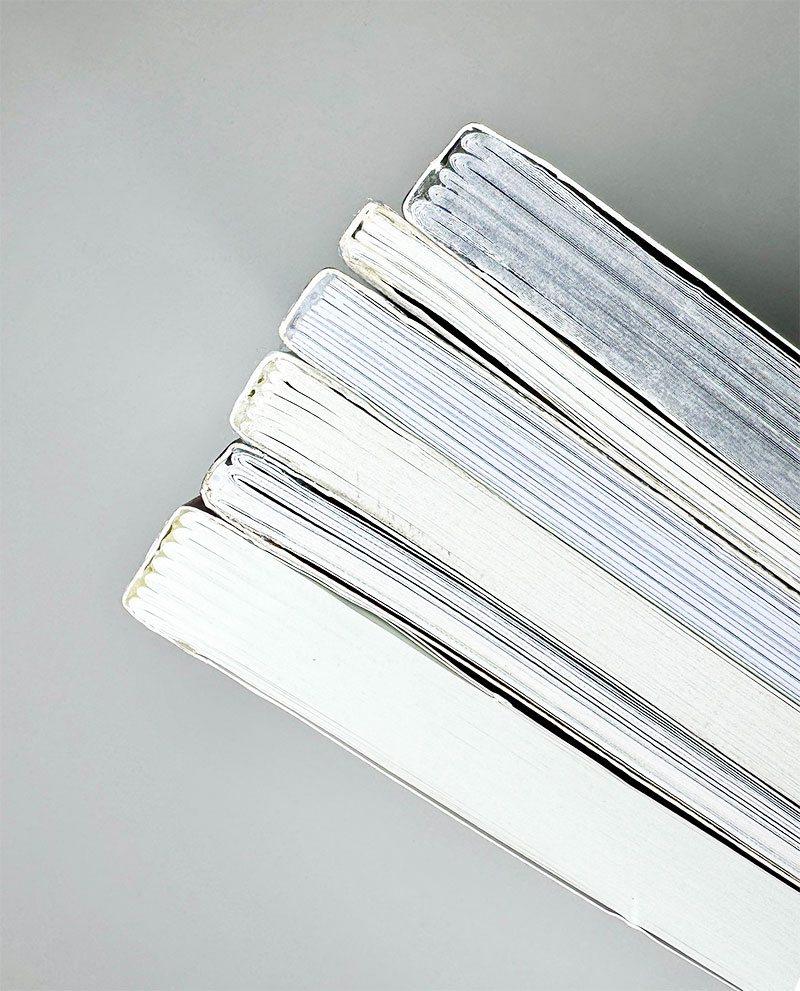
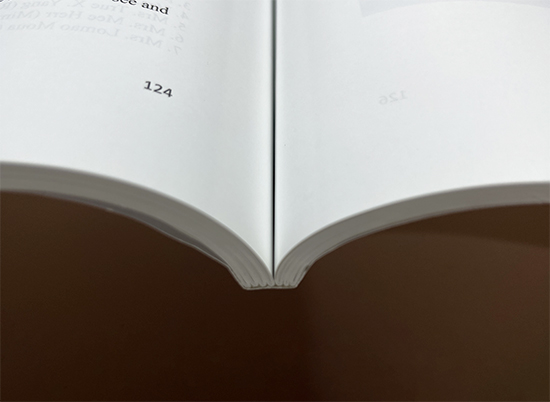
After sewing, the book block is attached to the printed softcover wrap, pressed, and trimmed on three sides. The finished book has the clean square spine and paperback look customers expect, with a stronger sewn structure inside.
Options
Popular add-ons
Choose optional upgrades for your perfect bound softcover book.

French Flaps
Folded cover extensions that add structure, shelf appeal, and extra space for copy.
View option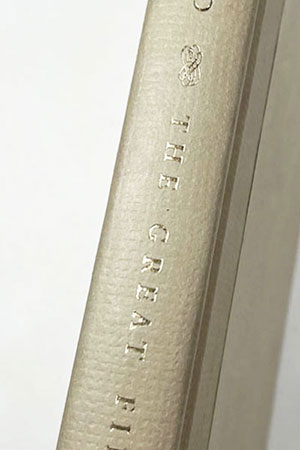
Foil Stamping
Metallic title details or artwork pressed into the cover for a premium finish.
View option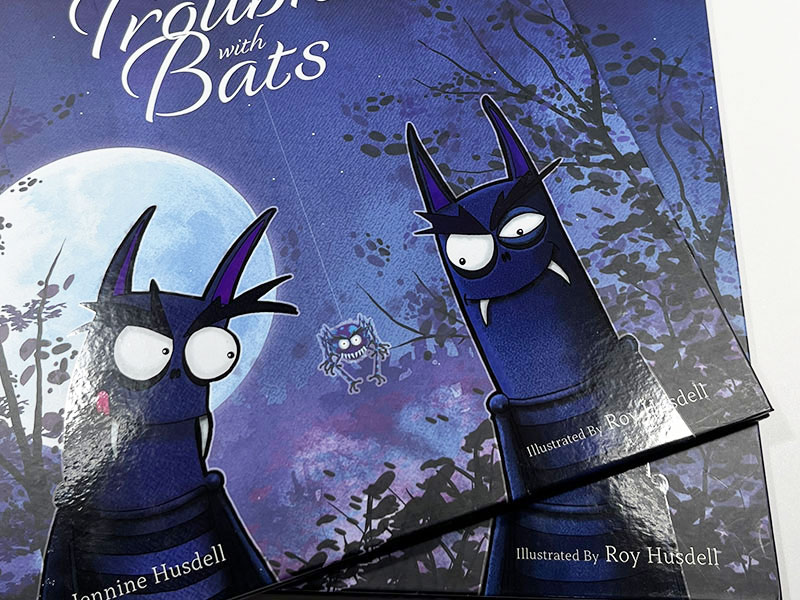

Poly Bag
Clear individual packaging that helps protect books during storage, shipping, or retail handling.
View optionProcess
How the printing process works
A quick view of the main steps, from book specs to production and shipping.
Get your perfect bound softcover estimate
Use the calculator above to estimate a complete book with a cardstock cover, printed interior pages, sewn binding, and estimated ocean shipping.
Add optional upgrades
After the base book, choose extras such as foil stamping, spot UV, special cover paper, flaps, or other cover enhancements.
Send files for review
Send us your print files or project details. We’ll check the files, review the specs, and let you know if anything needs adjustment before the order is confirmed.
Confirm order and approve proof
We confirm the final order details, then you pay the 50% deposit. After that, we send a PDF proof for final approval before production begins. You can also request a physical proof before the full run.
Production and shipping
Most production takes 2-4 weeks after approval. Ocean and air shipping options are available depending on your timeline and budget.
Our Work
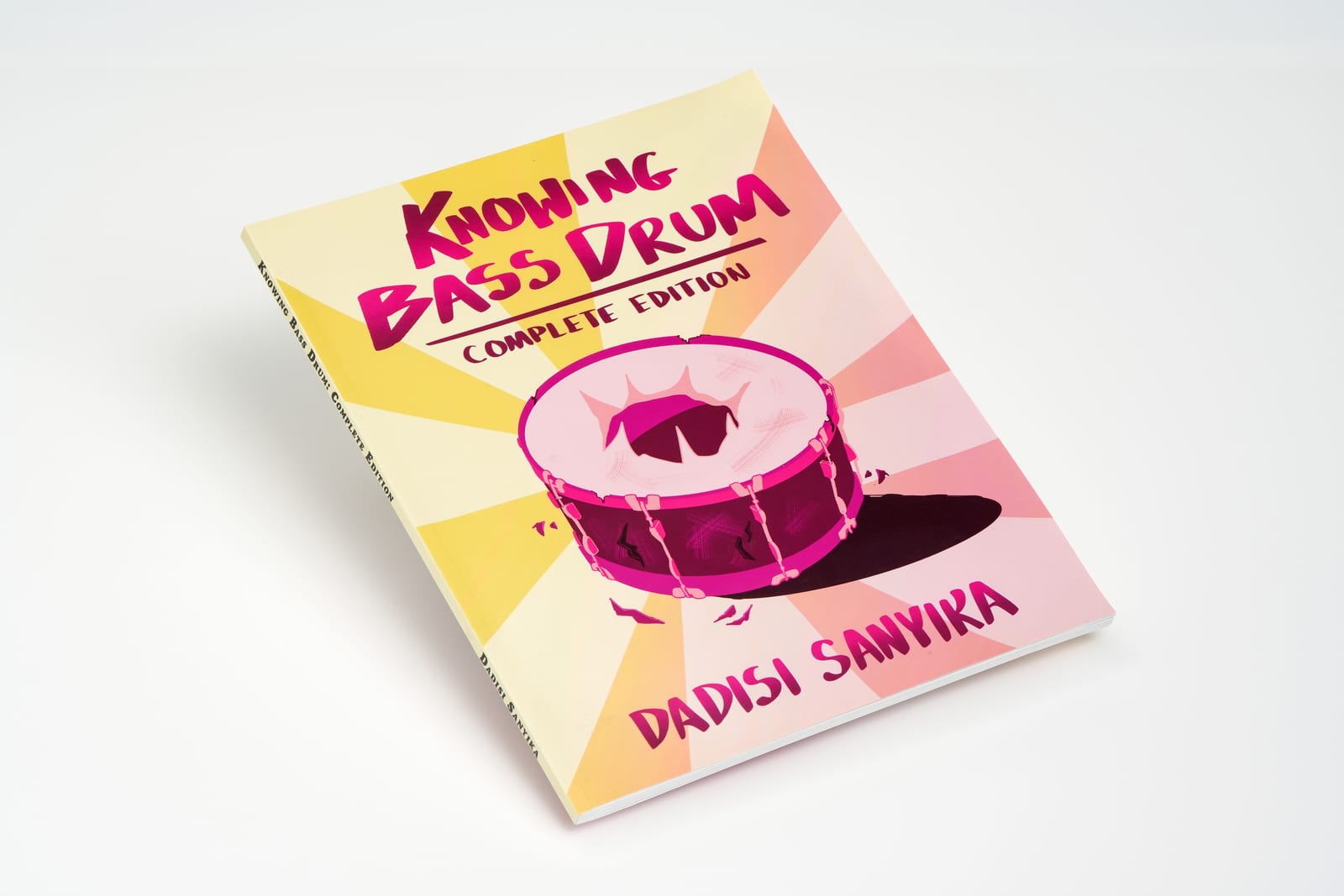
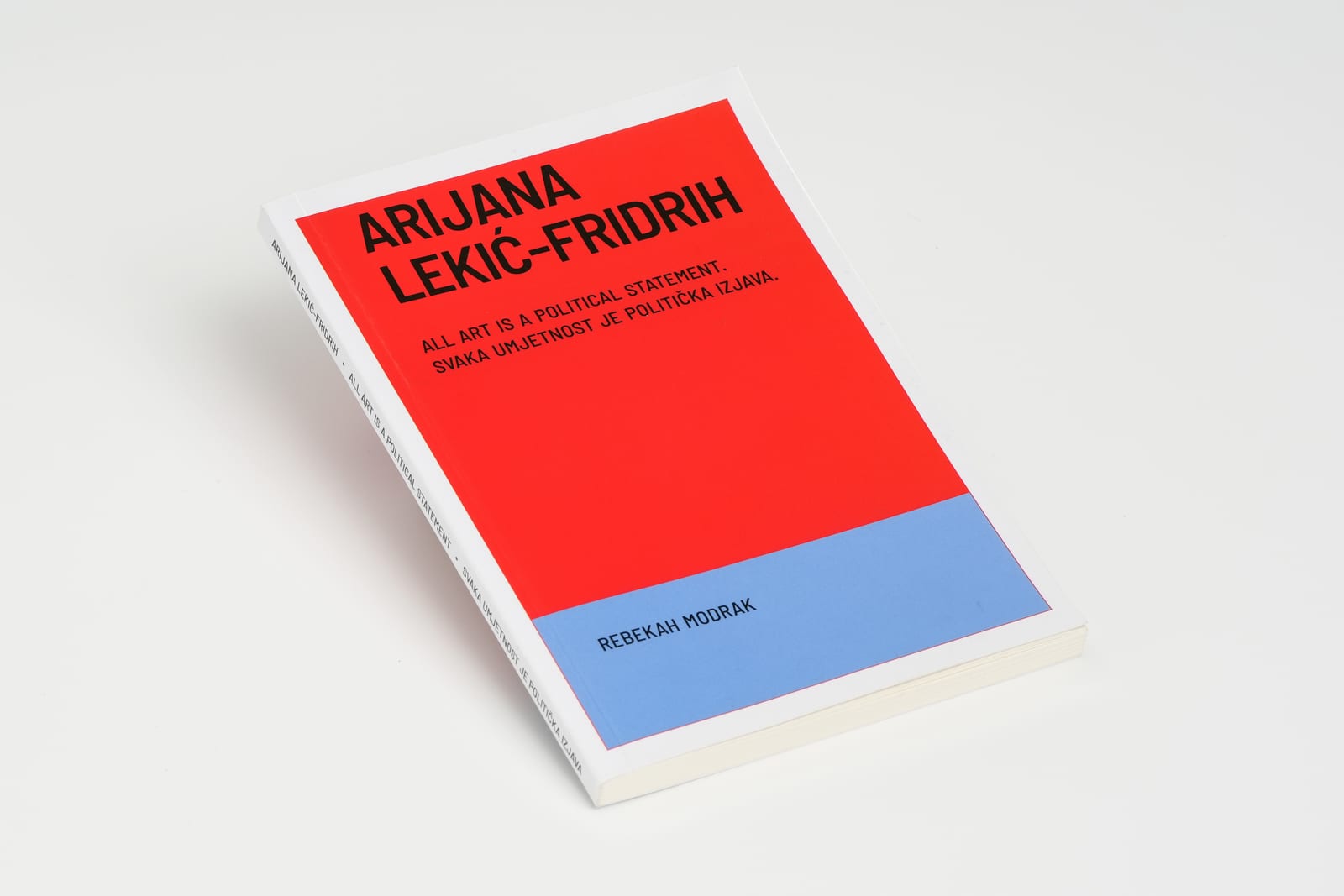
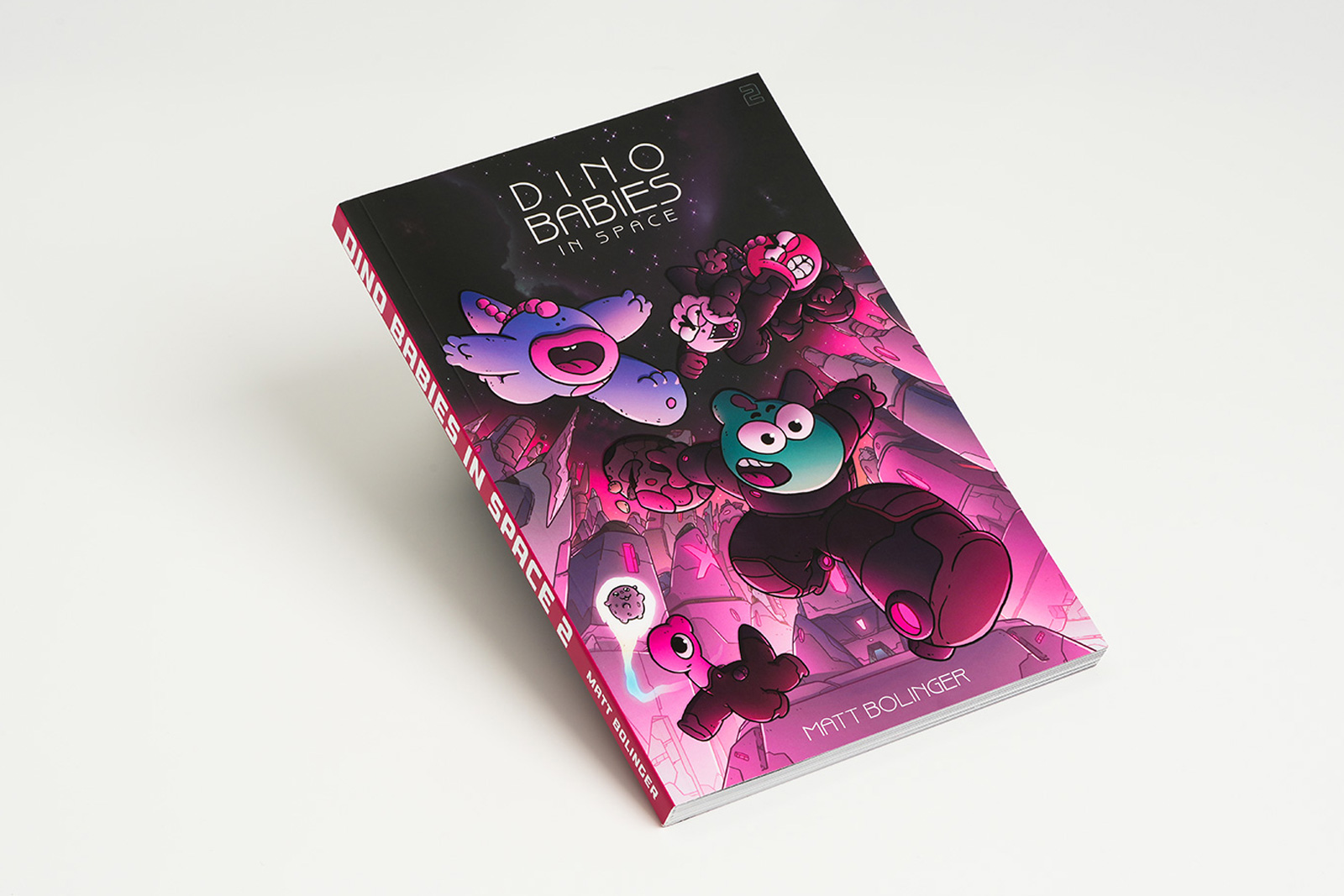
Softcover Books We Printed
FAQ
Common perfect bound softcover questions
Is this perfect bound or Smyth sewn?
It has the clean square spine and wraparound cover most people recognize as a perfect bound paperback. The difference is inside. We fold the pages into signatures and Smyth sew them together before attaching the soft cover. We currently offer this sewn construction, not glue-only perfect binding.
What is the minimum order for perfect bound softcover books?
The minimum normally starts at 250 copies. This product is made for planned offset print runs, not one-at-a-time printing. If you need fewer than 250 copies, a POD service or local digital printer may be a better fit.
Is perfect bound softcover suitable for novels?
Yes. It works especially well for premium editions, illustrated novels, graphic novels, and books that will be opened often. For a basic text-only novel, the sewn construction may cost more than a standard glue-bound paperback, but it gives the book a stronger book block and a better opening feel.
Can I choose custom paper for a perfect bound softcover book?
Yes. Smyth sewing works with a wider range of paper weights than glue-only binding because the pages are sewn into signatures instead of depending on glue alone. The best paper still depends on the trim size, page count, artwork, and how you want the finished book to feel. You can order our sample pack if you want to compare paper before placing the order.
Will the pages fall out?
Not with normal handling. The folded signatures are sewn together, so the pages do not rely on spine glue alone to stay in the book. Adhesive is still used when the sewn book block and soft cover are assembled, but the sewing gives the book additional strength.
Does perfect bound softcover lay flat?
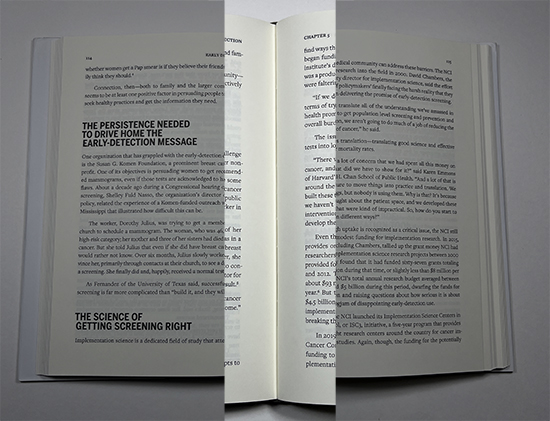
No, not like a true lay-flat book. It normally opens more easily than a stiff glue-bound paperback, but it still has a softcover spine. Keep important text, faces, logos, and artwork at least 1/4 inch away from the gutter. Thicker books may need a little more inside margin.
Have a Perfect Bound Softcover Project?
Send us your specifications, files, or questions. We will help confirm whether our Smyth sewn softcover construction fits your book.