
Coffee Table Book Printing
A coffee table book needs to make an impression the moment someone sees it, and achieving this starts with the printing process.
At Ken the Book Printer, we can help you get there, whether you've never printed a coffee table book before or you already know exactly what you want. We review your files before anything goes to press, guide you through paper, binding, and cover choices — including options like Smyth-sewn binding and offset printing that most online services don't offer at this scale — and stay with the project through production and shipping.
Runs start at 250 copies, with all-in pricing that includes ocean freight. Get a quote with our Turbo Calculator, or contact us to talk through your project first.
What’s Included With Every Coffee Table Book Order
Most of our coffee table books are made with hardcover binding.
For most coffee table book projects, we use our thickest board, which is 1800 gsm and about 3.5 mm thick. This gives the book a solid and premium feel.
Premium cover materials, like cloth, faux leather, and a few other options, are available for projects where the cover needs to do more than just protect the pages.
They add texture and a more tactile, considered feel that coated board covers don't deliver. On top of that, coffee table books can take most of the upgrades: foil stamping, spot UV, embossing, debossing, dust jackets, ribbon markers, and slipcases.
For the interior pages, we usually recommend at least 157 gsm paper. Coffee table books need paper that feels substantial when readers flip through the pages. If the paper is too thin, the book may not feel premium enough.
For end sheets, around 160 gsm uncoated paper is also a good choice. Structurally, the end sheets are the connection between the book block and the cover. End sheets can be blank or printed. Printed end sheets can make the book feel more custom.
Before production, we can review the files to check basic printing requirements, such as page setup, bleed, image quality, color mode, and whether the file is prepared correctly for book printing.
Customers only need to get the files ready. We take care of the production, shipping, and delivery process from end to end.
Sizes and Formats
Coffee table books can be made in many sizes. Portrait and landscape formats are both possible.
The size and format can affect the look of the book, as well as the printing cost, paper usage, shipping weight, and reading experience.
Landscape coffee table books are common for photography, travel, architecture, artwork, and lifestyle books because they give a wider spread when the book is opened.
Portrait format can also work well, especially for portfolios, museum books, art books, books with vertical images, or books with more text.
Even with the same page count, different sizes may have different costs. This is because each size fits differently on the press sheet and may use paper differently during production.
For our standard production workflow, the largest page size we can usually produce is 14 inches on the long side. If you are looking for a larger size, we may be able to review it for web offset printing, which prints from a roll of paper instead of standard press sheets. However, this is outside of our standard workflow.
For oversized coffee table books, check with us first. We can review the size, page count, paper, quantity, and production requirements to see whether we are able to take the job.
Below is a sample comparison for a 200-page coffee table book in several common sizes. This helps show how the size and format can affect both the price and the finished book weight.
Portrait Coffee Table Book Size Examples
| Book Size | Page Count | Price with Shipping | Estimated Weight / Book |
|---|---|---|---|
| 8" x 10" | 200 pages | $14.05/copy | 2.5 lb |
| 8.5" x 11" | 200 pages | $15.04/copy | 3.0 lb |
| 9" x 12" | 200 pages | $21.31/copy | 3.4 lb |
| 10" x 10" | 200 pages | $17.03/copy | 3.2 lb |
| 11" x 14" | 200 pages | $25.62/copy | 4.9 lb |
Landscape Coffee Table Book Size Examples
| Book Size | Page Count | Price with Shipping | Estimated Weight / Book |
|---|---|---|---|
| 10" x 8" | 200 pages | $14.05/copy | 2.5 lb |
| 11" x 8.5" | 200 pages | $15.04/copy | 3.0 lb |
| 12" x 9" | 200 pages | $21.31/copy | 3.4 lb |
| 10" x 10" | 200 pages | $17.03/copy | 3.2 lb |
| 14" x 11" | 200 pages | $25.62/copy | 4.9 lb |
Estimated pricing is based on 500 copies shipped to the West US by 30-day ocean shipping. Specs are 200 pages, full color, 105 lb (157 gsm) matte interior paper, 3.5 mm board, matte cover lamination, blank endsheets, and no add-ons. Prices are based on the calculator pricing available when this page was created and are subject to change over time.
Paper and Printing Quality
Matte-coated and gloss-coated papers are the standard recommendation for coffee table book printing. Both handle image-heavy printing well, hold color consistently, and behave predictably on press. If the book leans more toward text or needs a softer, more natural feel in the hand, uncoated paper is available for that, too.
Gloss Coated Paper
Gloss-coated paper is a good choice when you want to focus on images, as it allows for more vivid color and clearer details in photos. The glossy surface works well for image-heavy books, but not as well for text-heavy prints, as under strong light, the gloss can cause glare that makes it hard for some to read.
Matte Coated Paper
Matte-coated paper offers a solid balance between gloss-coated paper. Photos and illustrations won’t be as vivid as with gloss-coated paper, but you’ll minimize glare considerably, which makes it a good choice for coffee table books that feature both text and images.
Uncoated Paper
Uncoated paper feels more like regular paper and works well for coffee-table books that include essays, interviews, captions, and long blocks of text. The tradeoff, of course, is image reproduction. The quality is still good, but the images don’t have as much contrast and vibrancy as with the other two options.
Paper Weight and Proofing
For interior pages, we usually recommend at least 157 gsm paper. For some projects, we can use paper up to around 200 gsm. 200 gsm paper feels very thick and substantial, almost like light card stock. It can work well for some premium books, but it also increases cost and makes the book much heavier.
For color-sensitive books, we recommend proofing before full production. A digital proof can help check layout, page order, text, and general file setup, but it does not fully show how the final color will look on paper.
For color-critical projects, we can provide an offset plate proof. This is closer to the real production process than a digital sample. After the proof is approved, it can be used as a reference during full production.
Binding Options
For coffee table books, our standard binding is a sewn hardcover binding.
PUR Glue Binding
Many US-based printers use PUR glue binding for coffee table books, especially for shorter runs or local production. PUR binding is common because it is easier to set up and works in a similar way to perfect binding. The pages are gathered together and glued along the spine.
This can work for many standard books, but it is not the strongest option for a premium hardcover coffee table book.
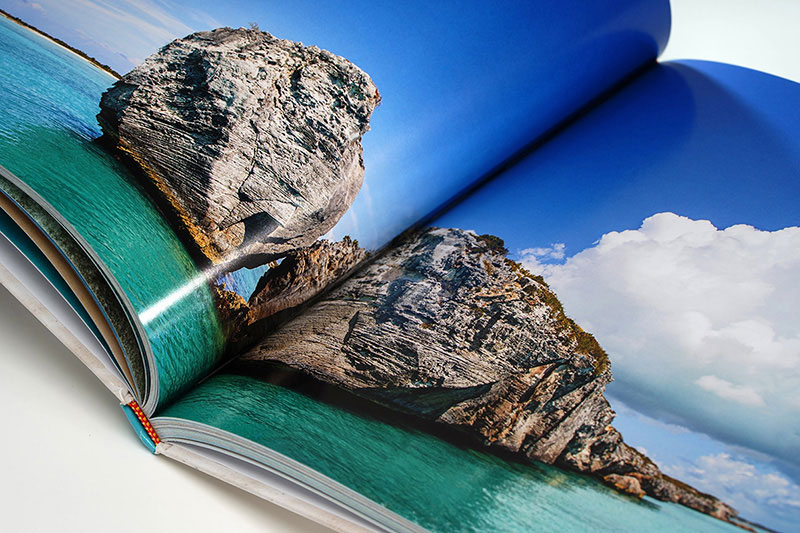
With glue binding, the book usually does not open as flat. Part of the page near the spine can also be pulled into the gutter. For books with full spread images, this means part of the image may be hidden or harder to see near the center of the book.
Smyth Sewn Binding
For our coffee table books, we use Smyth sewn binding. The pages are folded into signatures and sewn together with thread before the book block is cased into the hardcover.
This gives the finished book better durability, better opening performance, and a more premium feel, especially for books where spread images and the physical reading experience both matter.
Spine Reinforcement
After sewing, the book block also goes through spine reinforcement. This includes applying mull and spine liner strips to strengthen the spine before the book block is cased into the hardcover cover.
These details are not always visible in the finished book, but they are important for durability.
Flat Opening Expectations
Smyth-sewn binding opens significantly better than glued construction, which means you can see deeper into the gutter, and the pages don't fight you the way a glue-only spine does. That said, it doesn't guarantee a completely flat lay. Near the spine, especially where two signatures meet, there's usually still some curve.
If you need the book to open completely flat, options like Swiss binding or board book construction may work better. These are different binding styles with a different look, structure, and durability.
Cover Materials and Finishing Options
Our standard coffee table book cover is printed paper wrapped over hardcover board with lamination. This gives the cover a clean printed look and helps protect the surface from normal handling.
For more premium projects, clients can choose special cover materials such as cloth, faux leather, or other available cover materials. These materials can give the book a more textured, classic, or luxury feel.
Coffee table books can also include cover upgrades such as foil stamping, spot UV, embossing, debossing, dust jacket, ribbon, or slipcase.
Some cover materials need extra attention during production. For example, foil stamping on cloth is usually more difficult than foil stamping on a smooth laminated cover. Some cloth materials may not hold foil as cleanly, especially if the texture is too rough or the design has very fine details.
If the design includes small text, thin lines, or detailed foil artwork, we recommend reviewing the cover material and foil file before production. In some cases, testing or extra surface treatment may be needed to get the best result.
Slipcase and Premium Packaging for Luxury Coffee Table Books
A slipcase is a good option for premium coffee table books, art books, collector editions, museum books, and gift books.
It adds protection and makes the book feel more complete and presentation-ready.
For high-end art books and coffee table books, the slipcase is usually made as a rigid case structure, not just a simple paper sleeve. It can be wrapped with printed paper, cloth, faux leather, or other available cover materials to match the book design.
The fit is very important. If the slipcase is too tight, the book can be hard to remove, and the cover may get rubbed. If it is too loose, the packaging may not feel premium.
The slipcase should be planned together with the book size, cover material, book thickness, and overall design. This helps make sure the finished book and slipcase feel like one complete set.
Shipping and Protection
Coffee table books are often larger and heavier than regular books, so packaging is an important part of the project.
For bulk shipments, we use strong cartons and protective packing methods to help protect the books during transportation.
For clients who plan to reship books to their own customers, we also have corner protectors available for purchase. These can be shipped together with the bulk order.
Corner protectors help protect the four corners of the book when individual copies are packed and shipped again.
For premium books, the project is not finished when the book is printed. The book also needs to arrive in good condition.
How the Coffee Table Book Printing Process Works
A quick view of the main steps, from pricing to proofing, production, and shipping.
Get your book price and choose options
Use our Turbo Calculator to estimate your coffee table book price. You can choose the book size, number of pages, quantity, paper type, and shipping option, then add premium features like a dust jacket, foil stamping, spot UV, cloth cover, ribbon, slipcase, or corner protectors.
Or if you need something a bit more custom for your project, you can contact us directly for a quote.
Send files for review
Send us your files or project details, and we’ll take a look before we do anything. We’ll review your specs and files, and we’ll tell you if anything needs tweaking so problems are caught before they become costly.
Confirm order and approve proof
Once the final order details are confirmed, you pay a 50% deposit. After that, we will send you a PDF proof for your final approval prior to production. If your coffee table book is particularly sensitive to color, you can also request an offset plate proof or physical sample to verify color and print quality prior to the full run.
Production and shipping
After approval, your book moves into production. Once printing and binding are complete, the books are packed carefully and shipped. We offer both ocean and air shipping, depending on your timeline and budget.
Who Prints Coffee Table Books With Us?
We work with people who need coffee table book printing for books that have to be noticed, picked up, and kept.
That may be a photographer turning a body of work into a limited-run book. An artist preparing an exhibition catalog. An architecture studio putting finished projects into a client presentation piece, or a brand building something more permanent than another brochure.
We also print coffee table books for independent publishers, self-publishers, and Kickstarter creators who need the finished book to match what was promised. Some come to us with press-ready files. Others bring a reference book, a rough spec, or a clear idea of how the book should feel. We help turn that into the right paper, binding, finish, and production plan.
Coffee Table Books We Printed
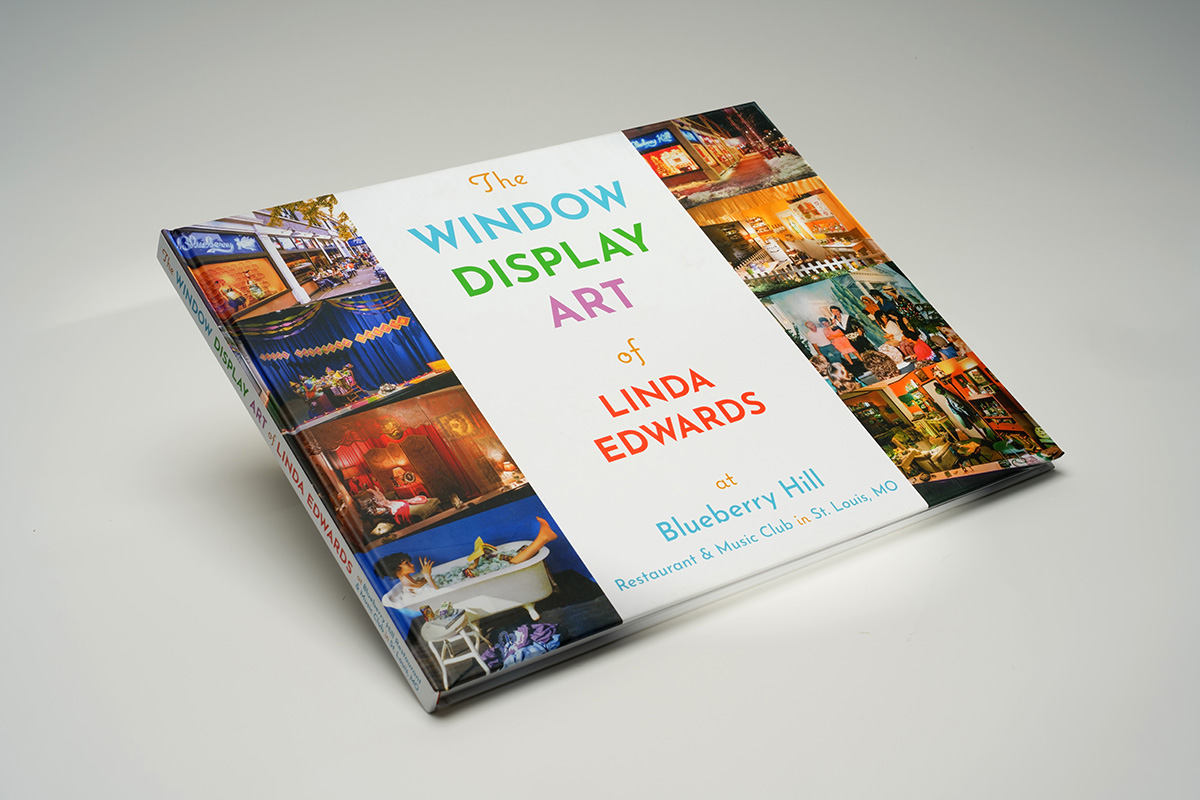
Window Display Art
Large-format art book documenting Linda Edwards’ window display art at Blueberry Hill.
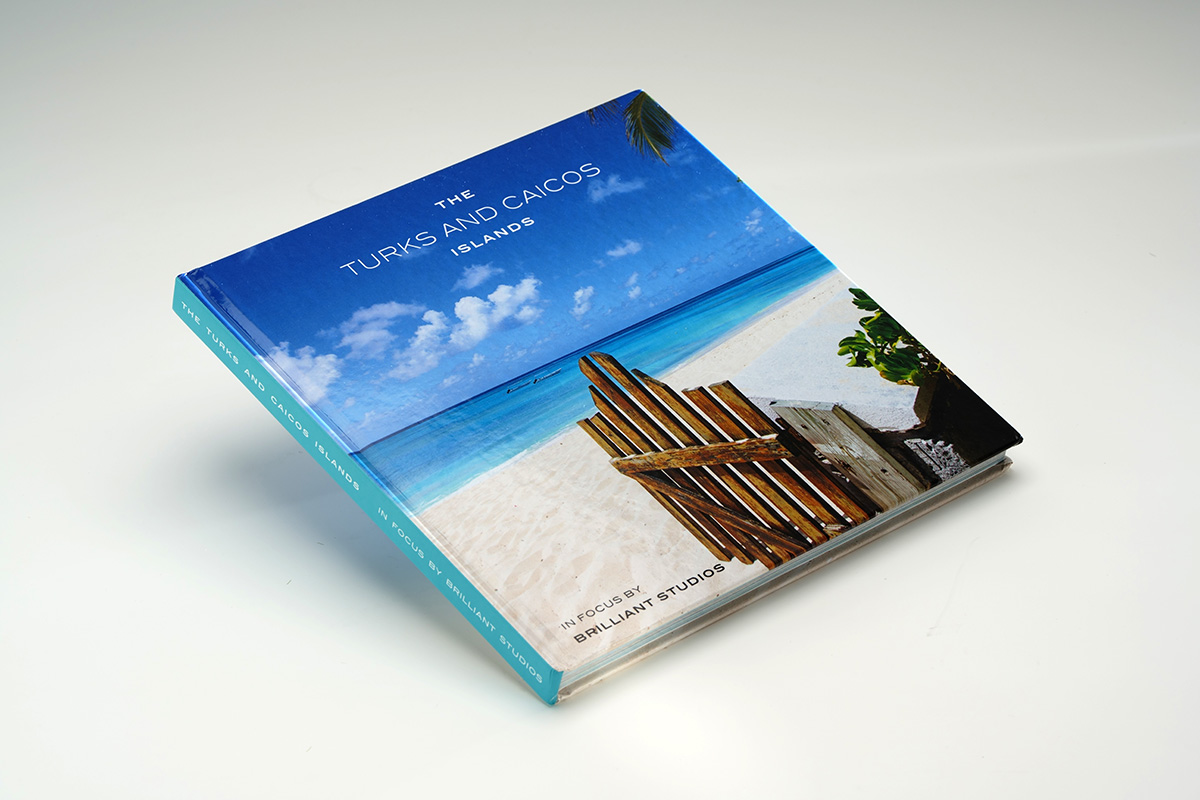
The Turks and Caicos Islands
10x10 hardcover coffee table book featuring Turks and Caicos Islands photography.
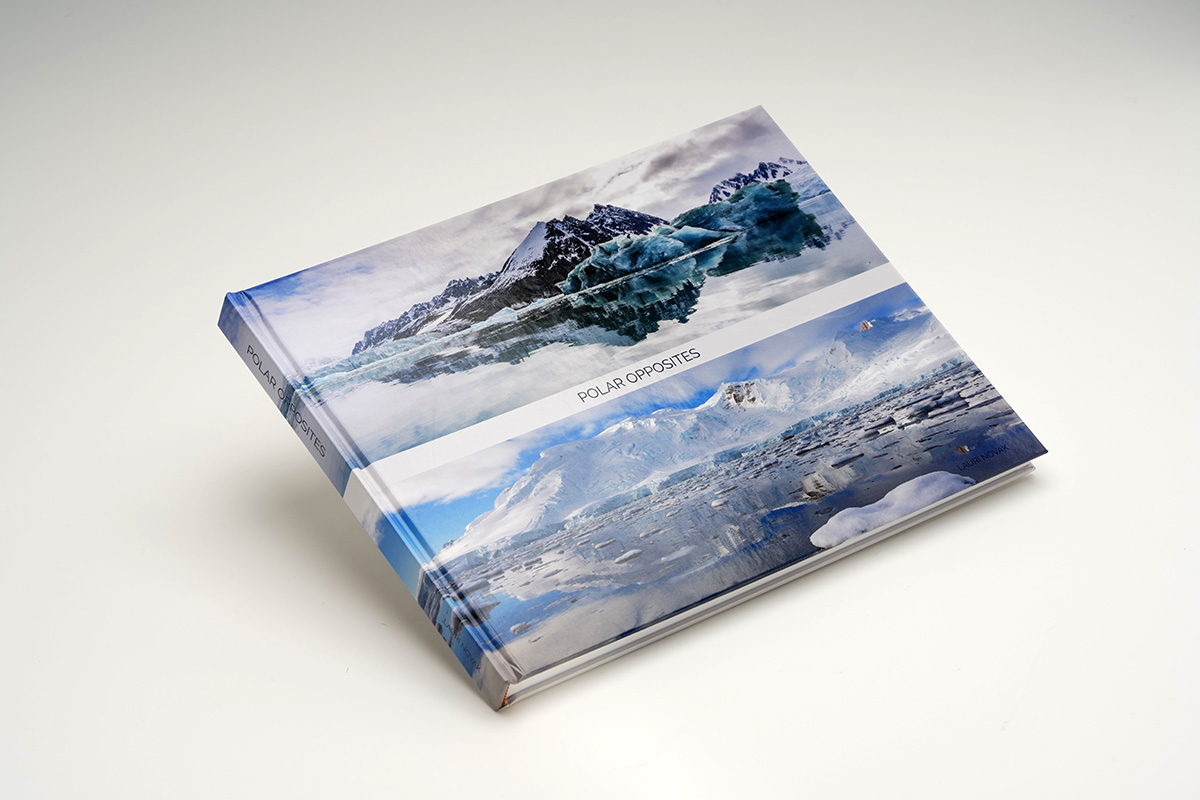
Polar Opposites
Hardcover photo book comparing Arctic and Antarctic landscapes side by side.
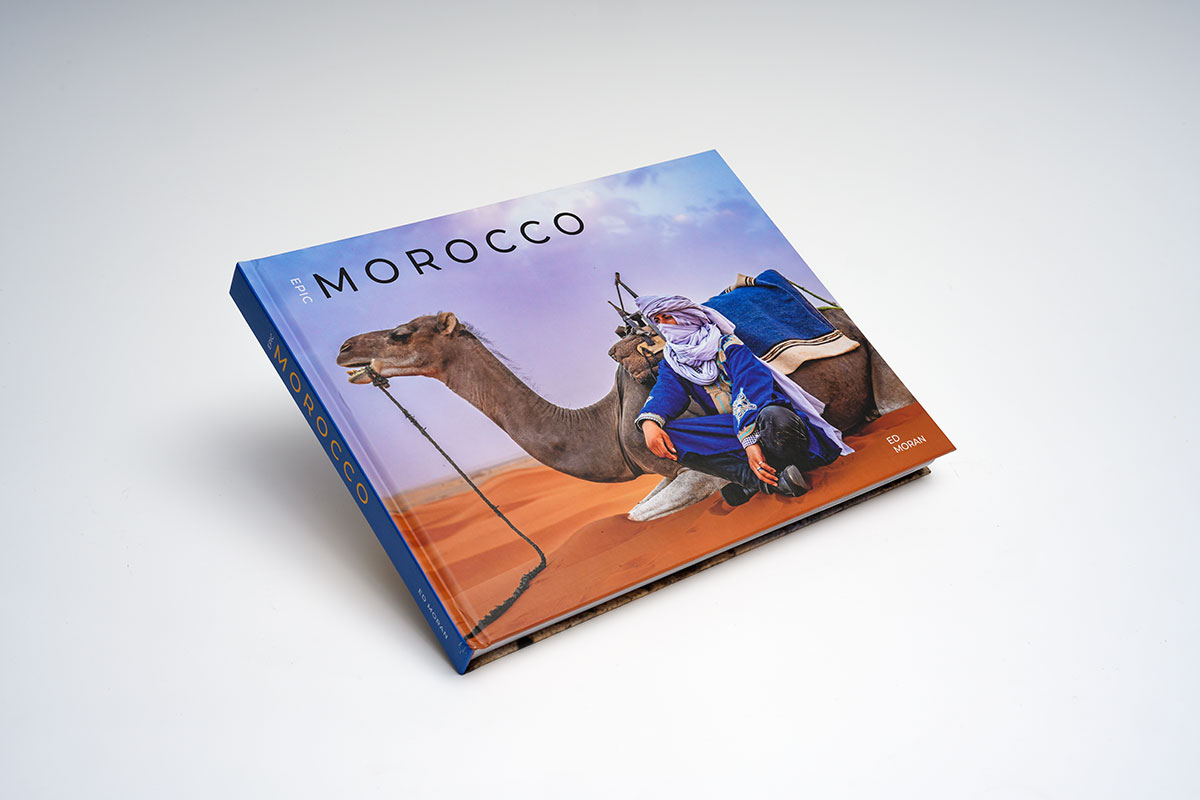
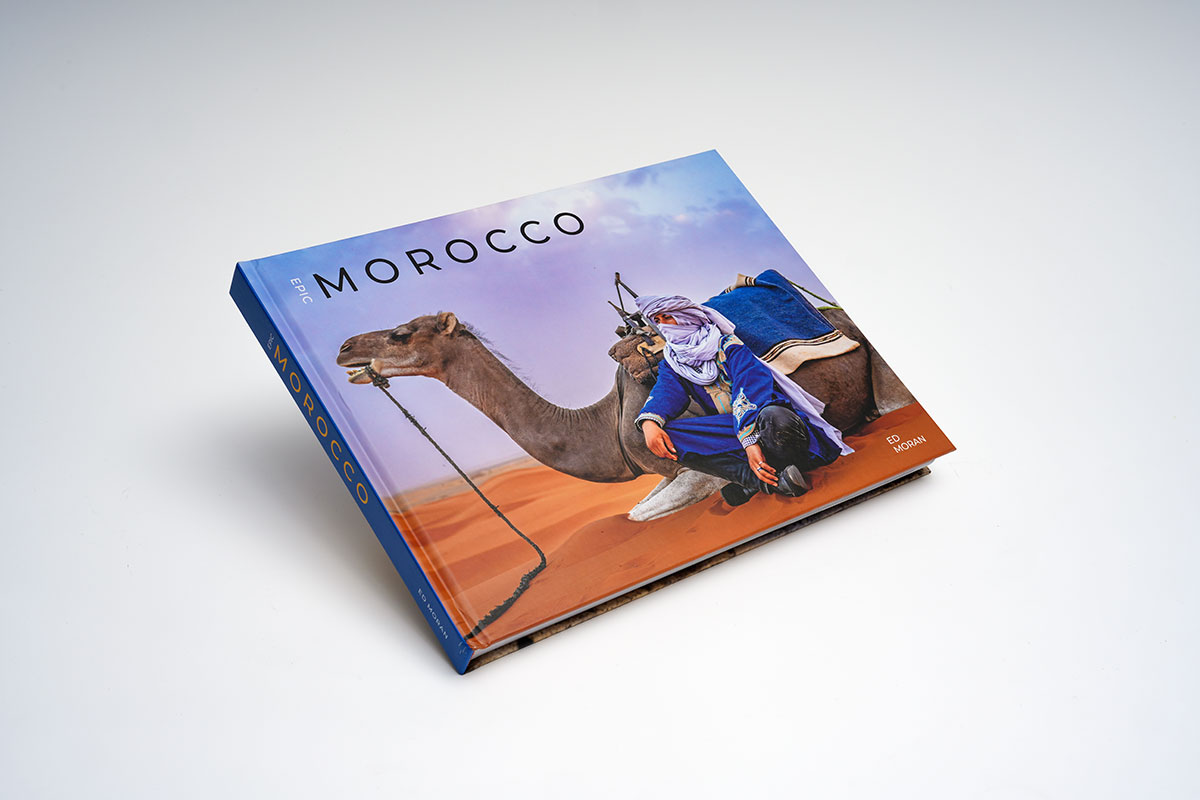
Epic Morocco
Travel photography coffee table book featuring Moroccan landscapes and culture.
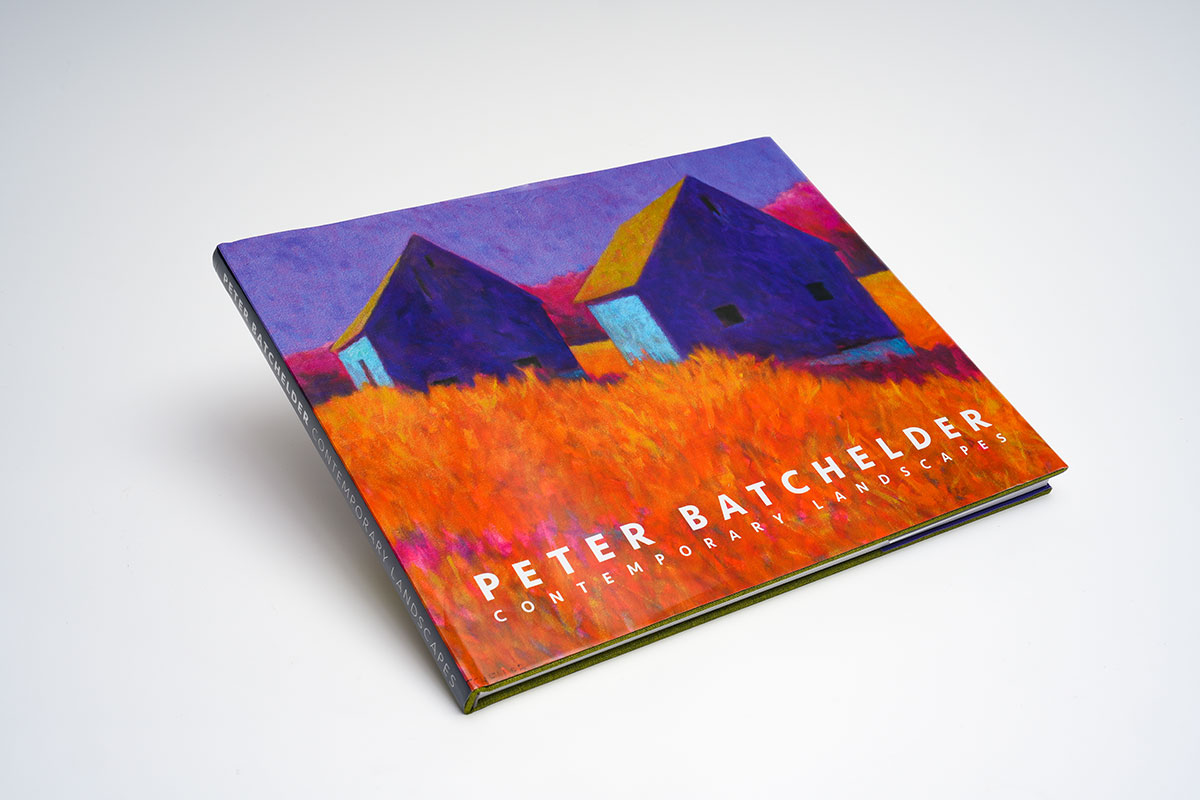
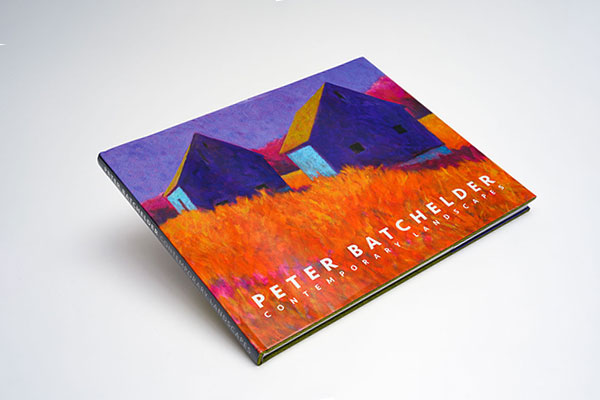
Contemporary Landscapes
Large-format coffee table book featuring Peter Batchelder’s contemporary oil paintings.
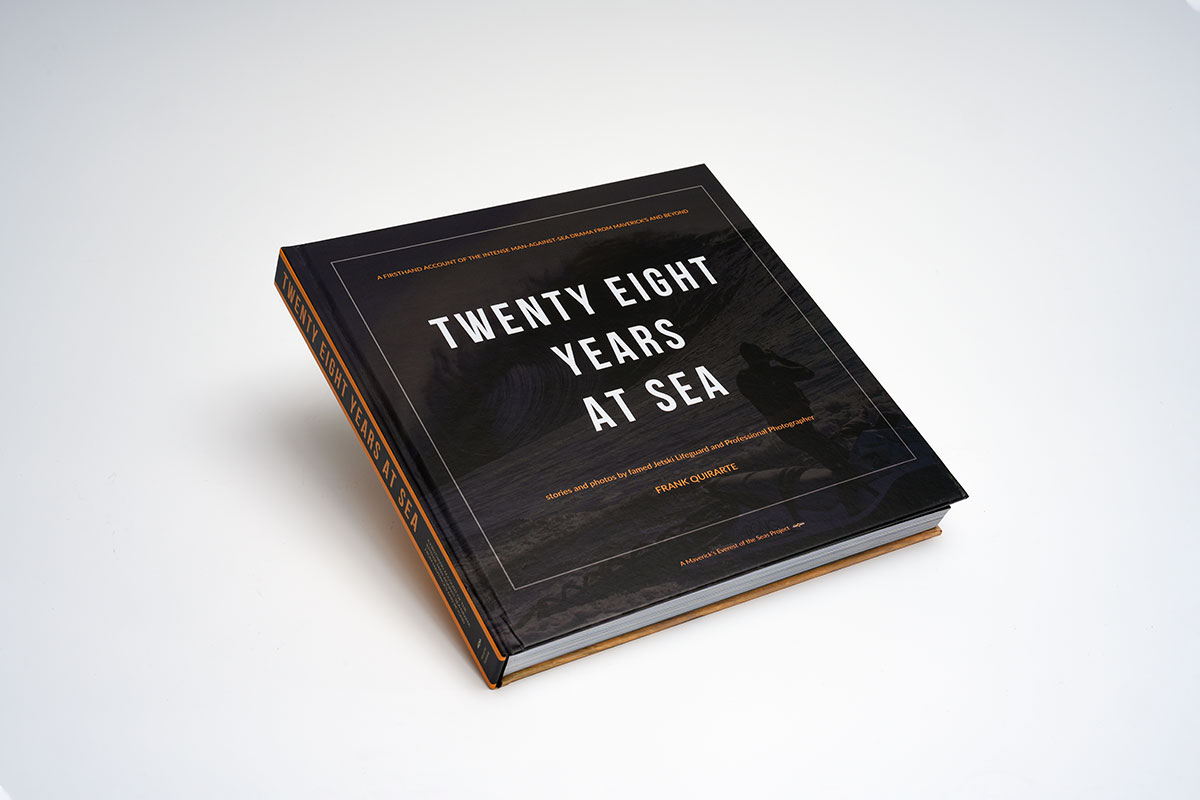
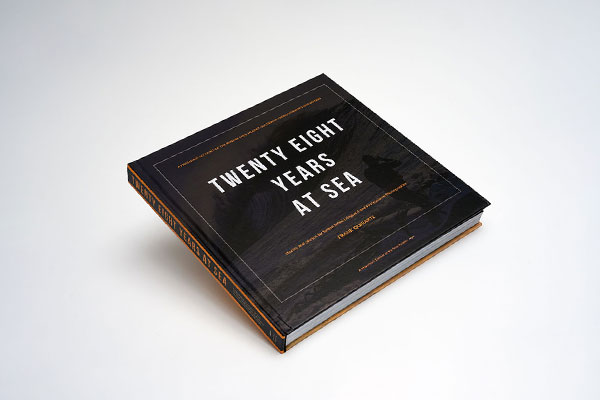
Twenty Eight Years at Sea
Photography coffee table book chronicling nearly three decades of big-wave surfing.
Why Choose Ken the Book Printer?
Your book won’t be a test run
We don’t treat coffee table book printing as any other job. When you work with us, your book goes through a workflow built specifically for hardcover production, with your goals in mind applied every step of the printing process.
Materials chosen for this type of book
You are not choosing from a random material list. We’ve selected all of our papers, boards, cover materials, and finishes to deliver luxury coffee table book printing every time.
Guidance before expensive mistakes happen
When printing a coffee table book with us, you’re not on your own. We help you figure out the paper, binding, cover materials, and finishing to make sure your book looks like you want it to.
Upgrades that actually improve the finished book
When we offer options like embossing, dust jackets, and slipcases, we do it because they make sense for your specific project. Our coffee table book printing services focus on delivering results, not on upselling.
People who understand book production
Your project is handled by people who understand how books are built, so questions about materials, binding, and finishing are always welcome and always get practical answers.
A real person you can talk to
You work with an actual account manager who follows your project from quote to delivery, so you are not left dealing with a generic order portal. With us, you get actual custom coffee table book printing, not a boilerplate answer.
Coffee Table Book Printing FAQs
How do I print a coffee table book?
Start by using reference books to get a sense of what you want and how you'd like the book to feel. Once you have a direction, use our Turbo Calculator to get a price and choose your specs. When your files are ready as print-ready PDFs, send them over for review, and we'll check everything and flag anything that needs fixing. From there, you'll approve a proof, then it's into production and shipping.
What size should a coffee table book be?
For coffee table book printing, the most popular sizes are 8”x 8”, 10”x 10”, 10”x 8” and 12”x 9”, as they’re great for image-heavy books. If you’d rather not use square or landscape images, you can opt for vertical ones 8.5" x 11" is a popular vertical option.
How much does it cost to print a coffee table book?
The cost depends on size, page count, paper, binding, quantity, shipping, and finishing options. Use the quote from our Turbo Calculator for pricing based on your actual project.
What is the best binding for a coffee table book?
Smyth sewn hardcover binding is typically a good fit. It allows the book to open more easily and hold up better than a glued spine.
What paper is best for a coffee table book?
If you want photos to pop, coated paper is the best bet. If your book has plenty of text, a matte coat is a better idea, as it reduces the glare that coated paper is known for in coffee-table book prints.
What is the minimum order quantity?
We have a 250-copy requirement. Reach out if you have any questions.
How do I prepare my files for coffee table book printing?
Once you have your book’s layout, image selection, and page order, make sure all the images are high-resolution and look the way you want. Once everything is set, export your files as print-ready PDFs with 300 DPI images, CMYK color, and 0.125" bleed. If you have any questions or you need some guidance, feel free to contact us. We’re here to help.
How do I get accurate color in my coffee table book?
For better color accuracy in coffee table book printing, work in CMYK, avoid editing on an overly bright screen, and review your images under consistent lighting. Before full production, it’s always a good idea to order a printed proof, as this will help you see how the images will actually look when printed.